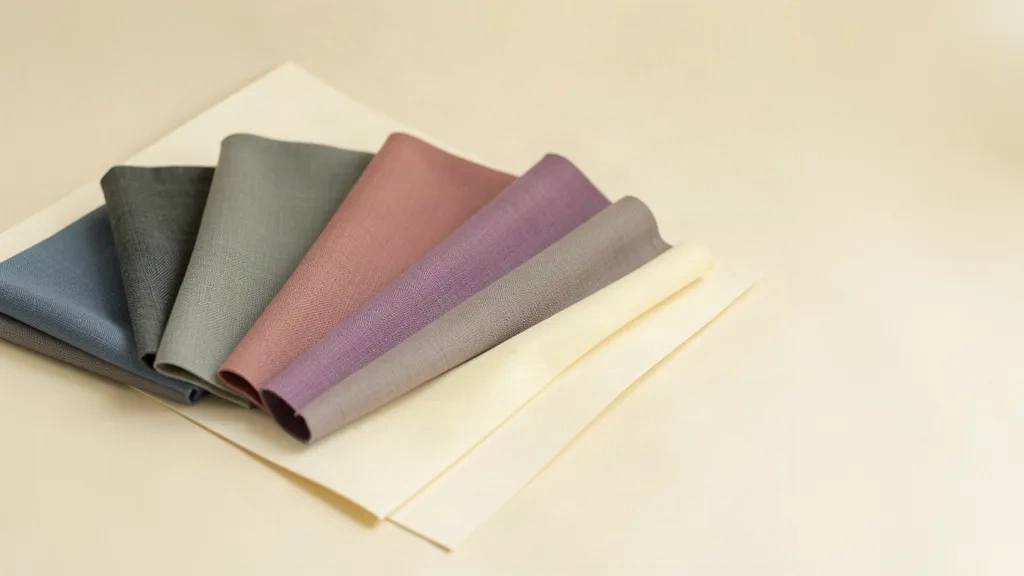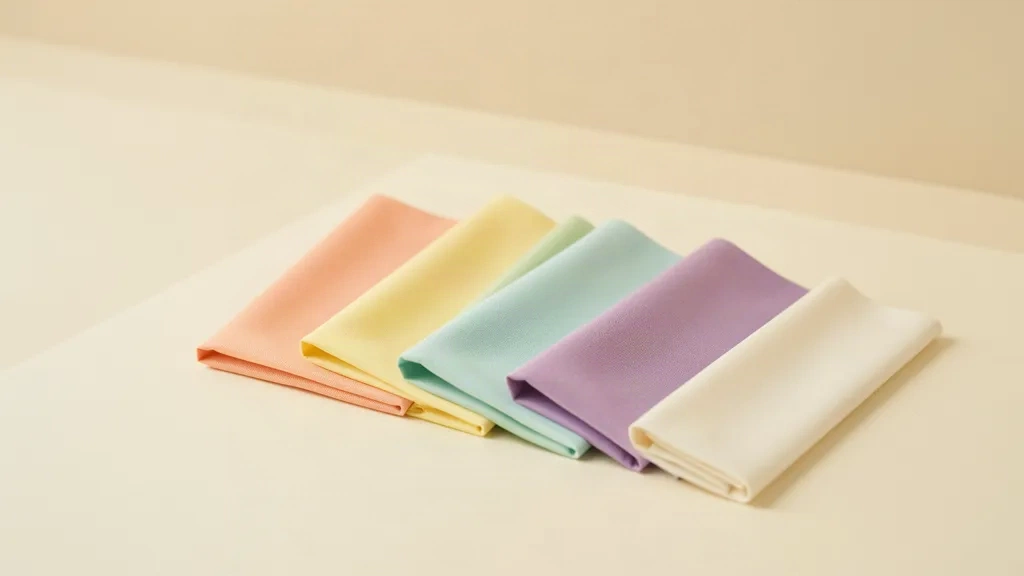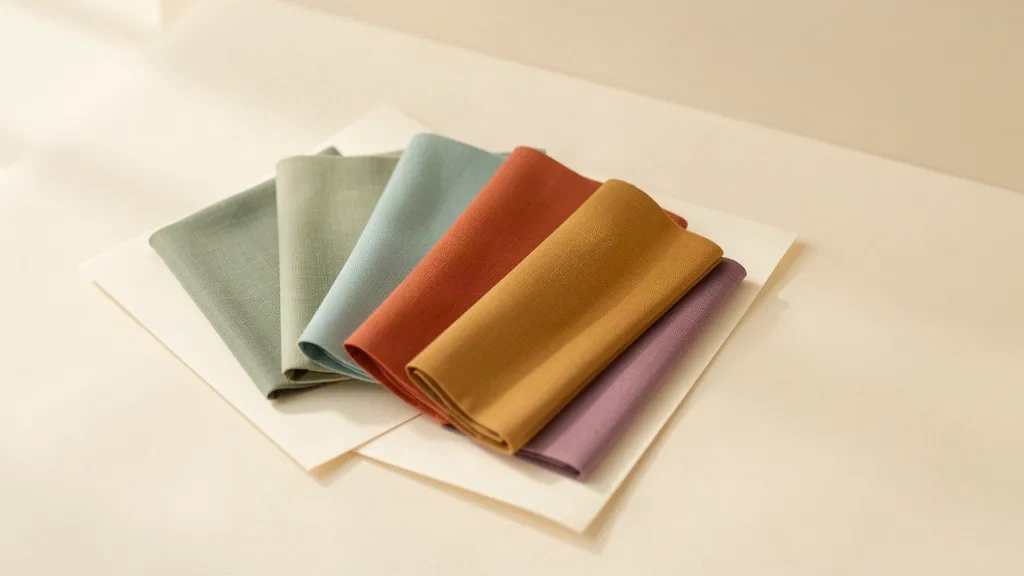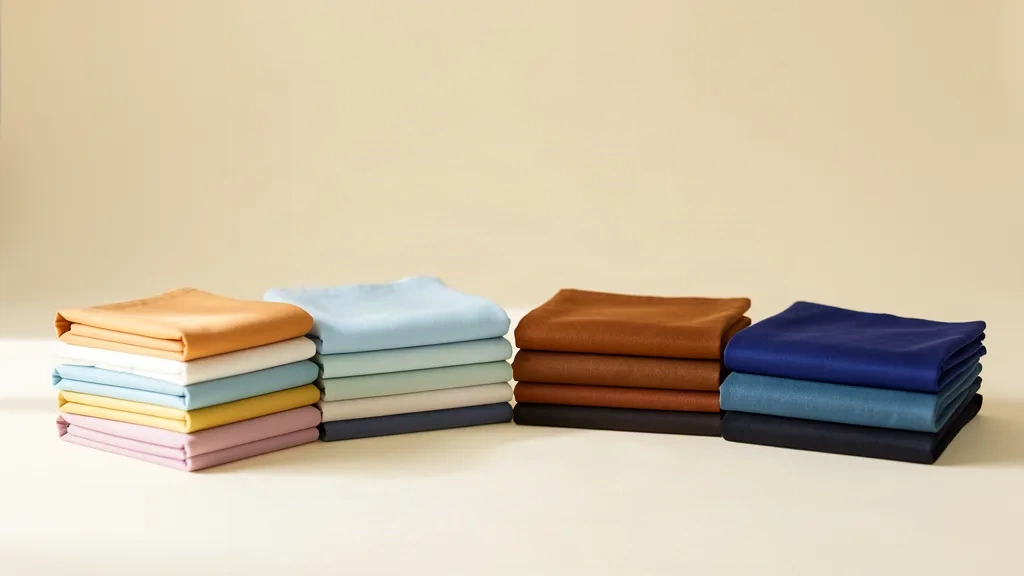
Seasonal color analysis is a way of finding the colors that harmonize with your natural skin, hair and eyes. Instead of following trends, you get a palette that makes your skin look even, your eyes look brighter and your outfits look intentional. This guide explains how the seasons work, how the 4, 12 and 16 season systems relate to each other, and how to find your own season.
The three dimensions of color
Every color, and every person's coloring, can be described with three qualities:
- Hue (temperature): is it warm (yellow-based, golden) or cool (blue-based, pink)?
- Value (depth): is it light or dark?
- Chroma (clarity): is it bright and clear, or soft and muted?
Your natural coloring has a dominant quality. Some people are mainly warm, some mainly light, some mainly soft. Colors that share your dominant quality tend to flatter you; colors that oppose it tend to drain you.
The four basic seasons
| Season | Temperature | Depth | Clarity | Feels like |
|---|---|---|---|---|
| Spring | warm | light to medium | clear | fresh, sunny, lively |
| Summer | cool | light to medium | soft | gentle, airy, misty |
| Autumn | warm | medium to deep | soft to rich | earthy, golden, spicy |
| Winter | cool | deep or high contrast | clear | crisp, dramatic, icy |
The four-season system is easy to understand, but many people do not fit neatly into one. Someone can be warm like a Spring but muted like an Autumn. That is why modern systems split each season.
The 12 season system
The 12 season system divides each of the four seasons into three sub-seasons, based on which quality is strongest:
Spring
- Light Spring: light first, warm second
- True (Warm) Spring: warm first
- Bright (Clear) Spring: bright first, warm second
Summer
- Light Summer: light first, cool second
- True (Cool) Summer: cool first
- Soft Summer: soft first, cool second
Autumn
- Soft Autumn: soft first, warm second
- True (Warm) Autumn: warm first
- Deep (Dark) Autumn: deep first, warm second
Winter
- Deep (Dark) Winter: deep first, cool second
- True (Cool) Winter: cool first
- Bright (Clear) Winter: bright first, cool second
Each "first" quality links a season to its neighbors. For example, Soft Summer and Soft Autumn are both soft, but one leans cool and the other warm. That is why the most common mix-ups happen between neighboring seasons.
What about 16 seasons?
The 16 season system adds a fourth type to each season, usually a "true" or pure version plus three blends, or a different split of the edges between seasons. Different analysts use slightly different 16-season models. In practice, 12 and 16 season systems agree on the big picture: which family you belong to and whether you lean warm or cool, light or deep, bright or soft. Our AI color analysis uses a 16-season model and always shows your closest neighbors.
How to find your color season
1. Look at your natural coloring in daylight
Remove makeup, pull back dyed hair, and look in a mirror next to a window. Notice:
- Does your skin look more golden or more pink?
- Is there strong contrast between your hair, skin and eyes, or do they blend?
- Do your eyes look clear and sparkly, or soft and blended?
2. Try the drape test
Hold fabrics or clothes under your chin and compare pairs:
- Gold vs. silver (temperature)
- Cream vs. pure white (temperature and clarity)
- Black vs. dark brown vs. navy (depth and temperature)
- Bright coral vs. dusty rose (clarity)
The right color makes shadows under your eyes and around your mouth look lighter. The wrong one makes them deeper or makes your skin look grey or yellow.
3. Use a quiz or AI
- The free color analysis quiz asks ten questions and suggests a likely season.
- The photo-based AI color analysis reads your skin, hair and eye colors from a daylight selfie and gives a full palette with HEX codes.
4. Consider a professional draping session
A trained analyst with real drapes and controlled light is still the most precise option. AI and quizzes are a quick, low-cost way to narrow it down first.
Common mistakes
- Judging under indoor light. Warm bulbs make everyone look warmer.
- Analyzing dyed hair. Use your natural color.
- Confusing favorite colors with flattering colors. You can love a color that does not suit you.
- Thinking you can never wear certain colors. Palette rules matter most near your face. Wear any color you like on the lower half.
FAQ
What are the 12 color seasons?
Light, True and Bright Spring; Light, True and Soft Summer; Soft, True and Deep Autumn; Deep, True and Bright Winter.
What is the most common color season?
There is no reliable data on this. Soft Summer and Soft Autumn are often reported as common in online communities, but results depend on who is measuring and how.
Can your color season change?
Your natural coloring stays mostly stable, but aging, hair color changes and tanning can shift which colors look best. Many people move slightly softer or lighter over time.
Is color analysis worth it?
For many people, yes: it reduces shopping mistakes and makes getting dressed easier. Start with a free quiz or an AI analysis and test the results with clothes you already own.
How do I know if I am warm or cool?
Compare gold and silver jewelry, and cream and pure white fabric, in daylight. Read our guide to finding your undertone for more tests.