Your undertone is the subtle color beneath the surface of your skin. Unlike your skin tone (how light or deep your skin is), your undertone stays the same whether you are pale in winter or tanned in summer. Knowing it makes it much easier to choose foundation, hair color, clothing and jewelry. Here are seven simple tests to find your undertone at home.
Skin tone vs. undertone
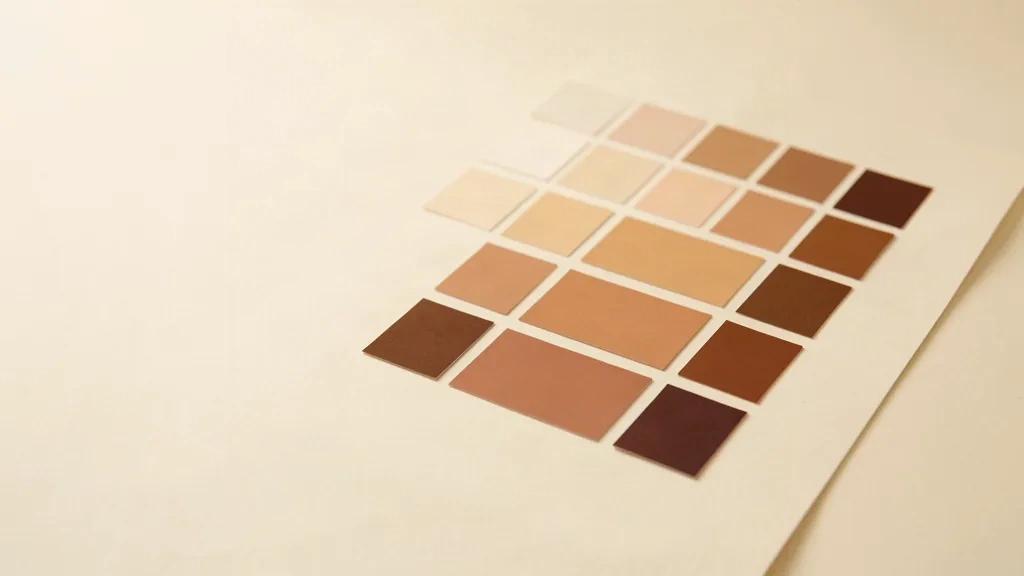
- Skin tone (surface tone) is how light or deep your skin looks: fair, light, medium, tan, deep. It changes with sun exposure.
- Undertone is the hue underneath: warm, cool, neutral or olive. It doesn't change with a tan.
Two people with the same skin tone can have different undertones, which is why the same foundation shade can look orange on one person and grey on another.
The four undertones
| Undertone | What it looks like |
|---|---|
| Warm | golden, peachy or yellow hints; skin often looks sunny |
| Cool | pink, red or bluish hints; skin may flush easily |
| Neutral | a balance of warm and cool; hard to pick a side |
| Olive | a green-grey or muted golden cast; often described as "neither warm nor cool" |
7 tests to find your undertone
Do these in natural daylight, with clean skin and no tinted moisturizer.
1. The vein test
Look at the veins on the inside of your wrist.
- Mostly green or olive: likely warm.
- Mostly blue or purple: likely cool.
- A mix, or hard to tell: likely neutral.
This test is popular but not perfect, because vein color also depends on skin thickness. Use it alongside the others.
2. The jewelry test
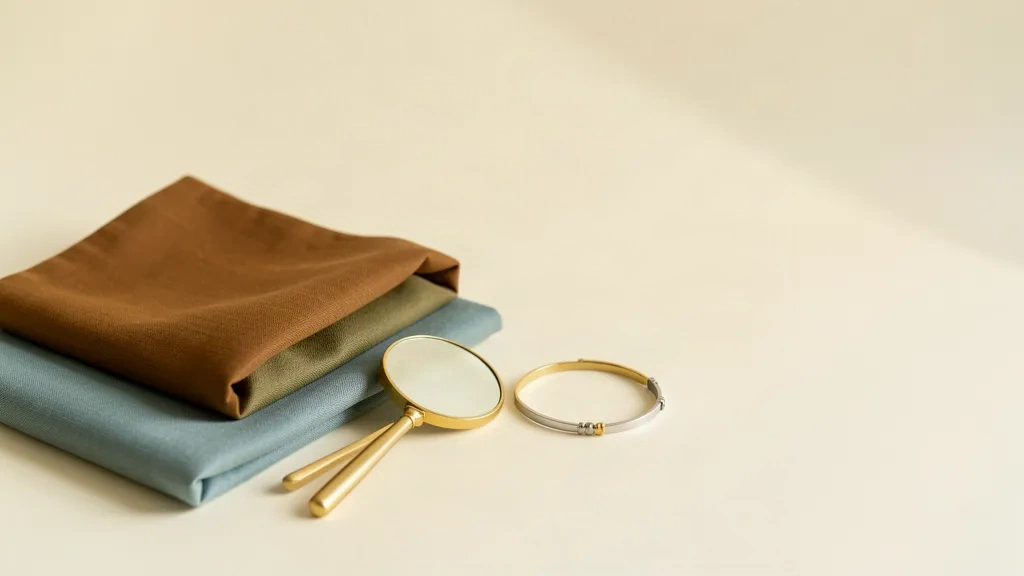
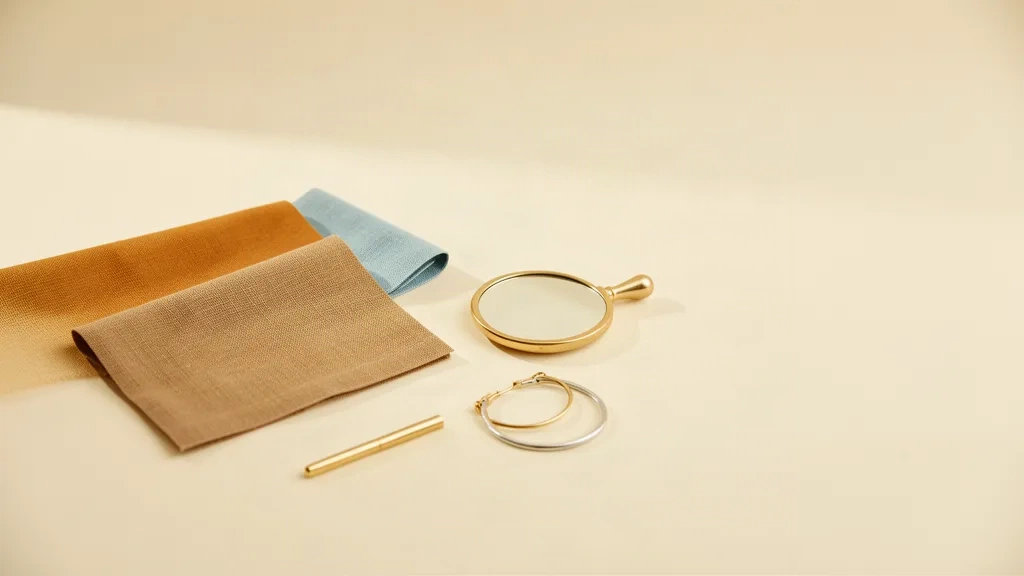
Hold gold and silver jewelry against your skin.
- Gold makes your skin look brighter and healthier: warm.
- Silver looks better: cool.
- Both look good: neutral.
3. White vs. cream
Hold a pure white fabric and a cream or ivory fabric under your face.
- Cream looks better and white looks harsh: warm.
- Pure white looks crisp and cream looks dingy: cool.
- Both are fine: neutral.
4. The sun test
How does your skin react to sun without protection?
- Burns easily, rarely tans: often cool (but very fair skin of any undertone can burn).
- Tans easily, golden tan: often warm or olive.
- This is a clue, not a rule, and always wear sunscreen.
5. The paper test
Hold a sheet of plain white paper next to your bare face.
- Skin looks yellow or golden next to it: warm.
- Skin looks pink or rosy: cool.
- Skin looks greyish or greenish: olive.
6. Your natural hair and eye colors
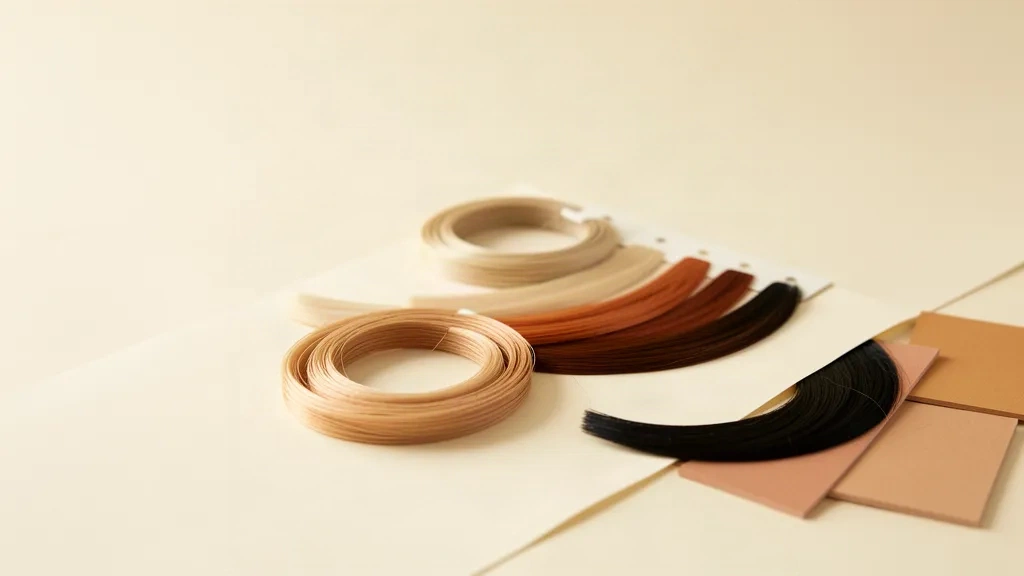
Golden, strawberry or auburn hair and amber or golden-hazel eyes often go with warm undertones. Ash blonde, ash brown or blue-black hair with grey or blue eyes often go with cool undertones. These are tendencies, not rules.
7. Lipstick and blush
- Coral, peach and orange-red look natural: warm.
- Pink, berry and blue-red look natural: cool.
How to read your results
Count your answers. Mostly warm or mostly cool is a clear result. A mix usually means neutral. If several tests make your skin look greyish or green next to white, and both warm and cool colors look slightly off, you may have an olive undertone. Read our full guide to olive skin tone.
What to do with your undertone
- Foundation: choose a shade labeled W (warm), C (cool), N (neutral) or O (olive), then match depth on your jawline in daylight.
- Clothes: your undertone is one half of your color season. Combine it with depth and clarity in our guide to color analysis seasons.
- Hair color: warm undertones usually suit golden and copper shades; cool undertones suit ash and cool brown. See the best hair color for your skin tone or try shades on your photo with the hair color changer.
Get a second opinion
Undertones are hard to judge on yourself. Upload a daylight selfie to our AI color analysis to see your undertone, contrast level and color season, or take the quick color analysis quiz.
FAQ
How do I know if I have a warm or cool undertone?
Compare gold vs. silver jewelry and cream vs. white fabric in daylight, and check your wrist veins. Gold, cream and green veins point to warm; silver, white and blue veins point to cool.
Can your undertone change?
Your undertone stays essentially the same throughout life. Your surface skin tone changes with tanning, redness or skin conditions, which can make your undertone harder to read.
What does a neutral undertone mean?
You have a balance of warm and cool hints. Neutral undertones can usually wear both gold and silver and a wide range of colors.
What is an olive undertone?
Olive undertones have a green-grey or muted golden cast. They are common in many ethnicities and can appear on light, medium and deep skin.
Is blue veins a cool undertone?
Blue or purple veins often suggest a cool undertone, but the vein test alone isn't reliable. Confirm with the jewelry and white-vs-cream tests.