Knowing your face shape is the shortcut to haircuts, glasses, eyebrow shapes and even beard styles that look right the first time. The idea is simple: most styles work by balancing your proportions, adding width where a face is narrow and length where it is wide. This guide explains the seven face shapes, how to find yours in five minutes, and where to go next for hairstyle ideas.
How to determine your face shape
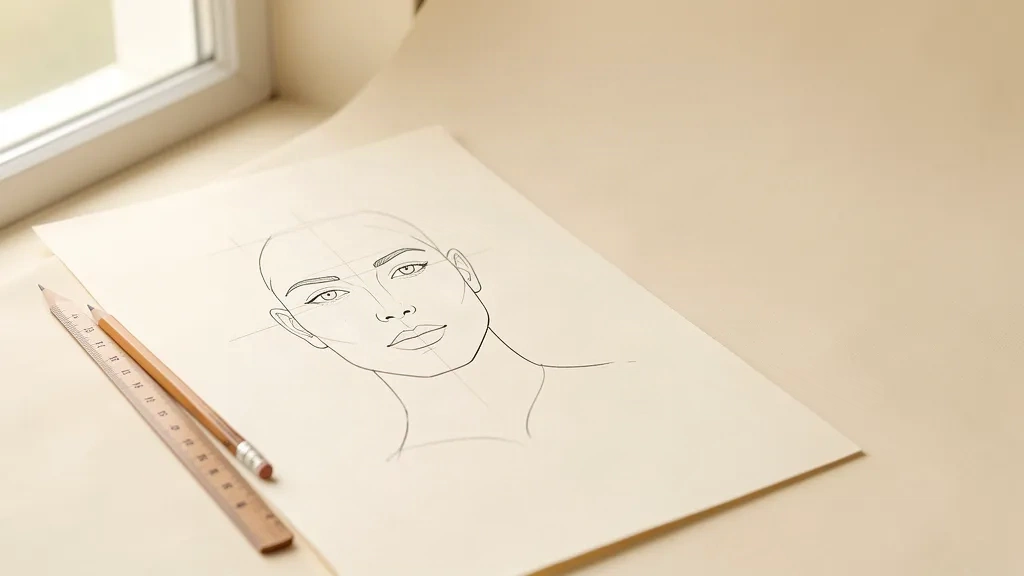
You need a mirror (or a front-facing photo), your hair pulled back, and optionally a soft measuring tape.
- Face length: measure from the center of your hairline to the tip of your chin.
- Forehead width: measure across the widest part of your forehead.
- Cheekbone width: measure across the widest part of your cheekbones, just below the outer corners of your eyes.
- Jaw width: measure from one jaw angle (below the ear) to the other.
Then ask three questions:
- Which is the widest part of my face: forehead, cheekbones or jaw?
- Is my face clearly longer than it is wide, or about equal?
- Is my jaw angular or rounded?
Prefer not to measure? Upload a photo to the free face shape detector and it will take the measurements for you.
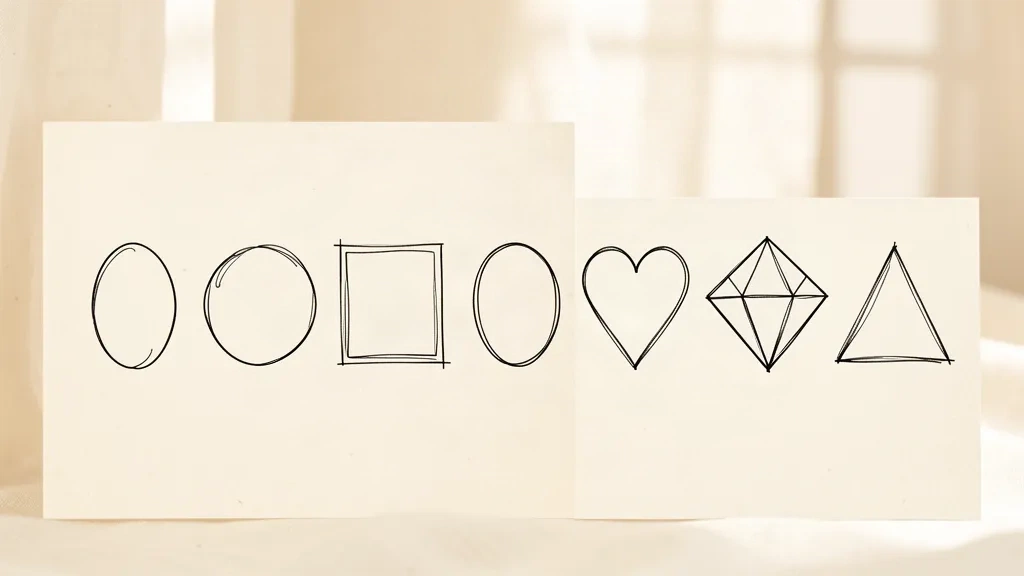
The 7 face shapes
1. Oval
Longer than wide, with cheekbones as the widest point and a softly rounded jaw. The forehead is slightly wider than the jaw. Oval faces suit most styles. Oval face shape guide
2. Round
Length and width are almost equal, cheeks are full and the jawline is soft with few angles. The goal is to add height and length. Round face hairstyles
3. Square
Forehead, cheekbones and jaw are about the same width, and the jaw angle is sharp. Soft layers and side parts balance the angles. Square face shape guide
4. Oblong (rectangle or long)
Clearly longer than wide, with forehead, cheeks and jaw of similar width. Width at the sides and bangs make the face look more balanced. Oblong face shape guide
5. Heart
A wider forehead and cheekbones taper to a narrow, sometimes pointed chin. Volume around the jaw balances the shape. Heart shaped face guide
6. Diamond
Cheekbones are the widest point; forehead and chin are both narrow. Styles that add width at the forehead and chin work well. Diamond face shape guide
7. Triangle (pear)
The jaw is wider than the forehead. Volume at the crown and temples balances a stronger jaw. The reverse, a wide forehead and narrow chin, is sometimes called an inverted triangle and is close to a heart shape. Triangle face shape guide
Quick comparison table
| Face shape | Widest point | Length vs. width | Jaw | Main styling goal |
|---|---|---|---|---|
| Oval | cheekbones | longer | soft, rounded | keep balance |
| Round | cheeks | about equal | soft | add length and angles |
| Square | equal all over | about equal | sharp, wide | soften angles |
| Oblong | equal all over | much longer | straight | add width, shorten |
| Heart | forehead | longer | narrow, pointed chin | add width at jaw |
| Diamond | cheekbones | longer | narrow chin | add width at forehead and chin |
| Triangle | jaw | about equal or longer | wide | add width at top |
Haircut by face shape: the basic rules
- Round and square faces: add height on top, avoid blunt chin-length cuts that end at the widest point, and choose side parts or layers that create vertical lines.
- Oblong faces: avoid lots of height on top; add volume at the sides, try bangs, and keep length around the collarbone or shorter.
- Heart and inverted triangle faces: add fullness from the cheekbones down; side-swept or curtain bangs reduce forehead width.
- Diamond faces: bangs or fringe add forehead width; chin-length layers add width at the jaw.
- Triangle faces: volume at the crown and temples, longer layers that skim past the jaw.
- Oval faces: almost anything works; choose based on hair texture and lifestyle.
You can see these ideas on your own face before cutting with the hairstyle try-on.
Beyond hair: glasses, brows and beards
- Glasses: choose frames that contrast with your face shape (angular frames for round faces, round frames for square faces). See glasses for your face shape.
- Eyebrows: a soft arch lifts round faces; flatter brows shorten long faces. See eyebrow shapes for your face.
- Beards: the right beard shape can lengthen, widen or sharpen a face. See beard styles by face shape.
- Men: see our guide to face shapes for men.
FAQ
What face shape do I have?
Measure your face length, forehead, cheekbones and jaw, then compare: equal width all over with a sharp jaw is square, equal length and width with soft edges is round, cheekbones widest is oval or diamond, forehead widest is heart, jaw widest is triangle, and much longer than wide is oblong. Or use the face shape detector.
What is the most common face shape?
Oval and round are commonly reported as frequent, but there is no reliable global data. Many people are a blend of two shapes.
What is the most attractive face shape?
There isn't one. Oval faces are often described as "balanced" in styling guides, but attractiveness depends far more on features, expression and grooming than on outline.
Can your face shape change?
Bone structure doesn't change in adulthood, but weight changes, aging and facial hair can change how your face shape looks.
Why do I fit two face shapes?
Most faces are blends. Use styling advice from both shapes and see which looks better in a try-on.