Choosing a new haircut is exciting and a little scary, because a bad cut takes months to grow out. The best haircut for you sits where four things meet: your face shape, your hair type, your lifestyle and how much styling you'll actually do. Work through these five steps and you'll walk into the salon with a clear idea.
Step 1: Find your face shape
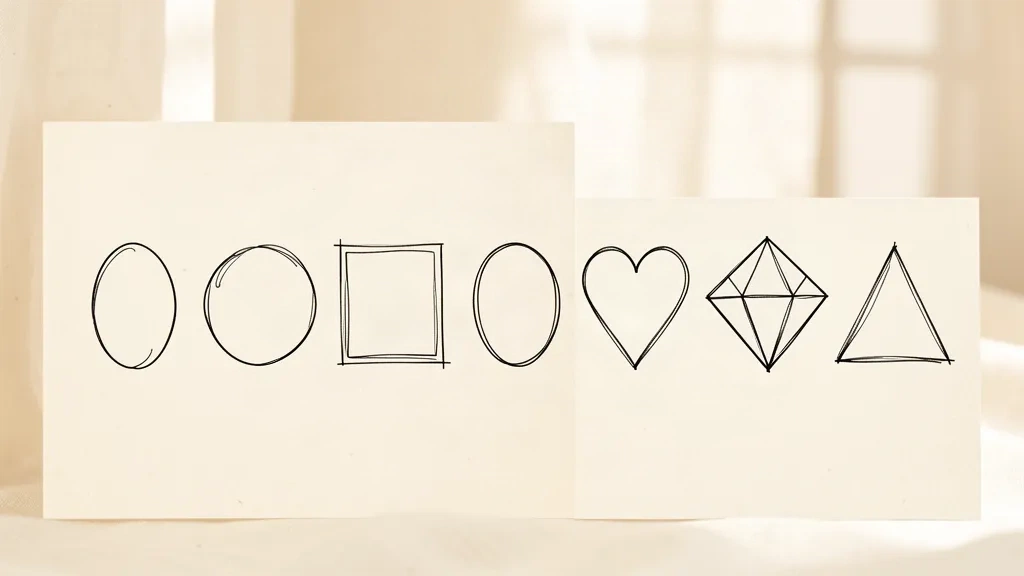
Haircuts work by balancing proportions, so start here:
- Round: add height and length (long layers, side parts, pixies with volume on top). See round face hairstyles.
- Square: soften angles (layers, waves, side-swept bangs). See square face shape.
- Oblong: add width and shorten (bobs with bangs, waves). See oblong face shape.
- Heart: add width at the jaw (chin-length bobs, curtain bangs). See heart shaped face.
- Diamond: add width at forehead and chin (bangs, chin bobs). See diamond face shape.
- Oval: most cuts work. See oval face shape.
Not sure? Use the free face shape detector or read the face shapes guide.
Step 2: Consider your hair type
- Fine or thin hair: blunt cuts and shorter lengths look fuller; avoid heavy thinning. See hairstyles for thin hair.
- Thick hair: layers remove bulk; long lengths can feel heavy.
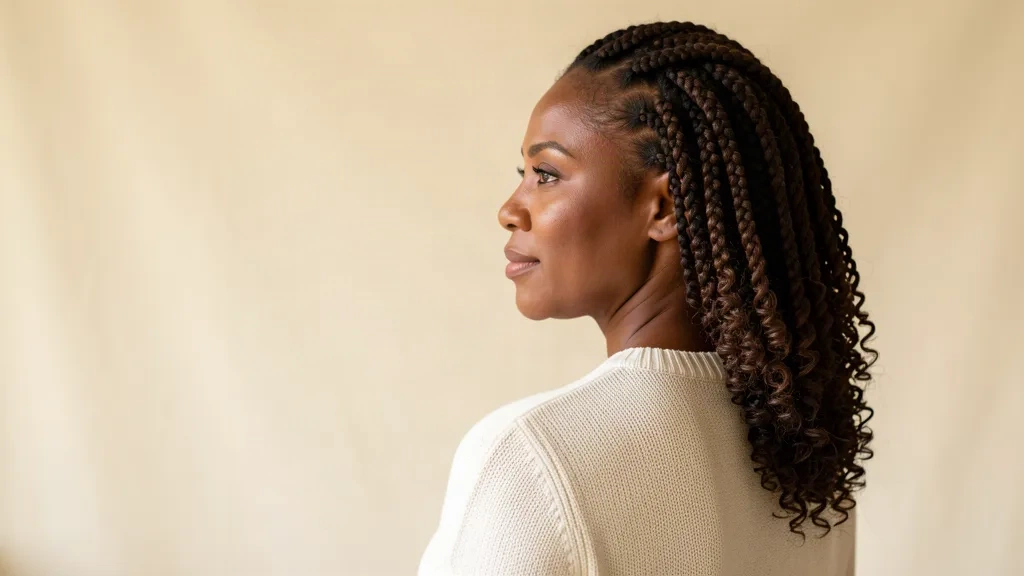
- Curly hair: curl-specific cutting and shapes that work with your curl pattern. See hairstyles for curly hair.
- Wavy hair: shags, lobs and layered cuts enhance natural movement.
- Straight hair: blunt bobs and sleek lengths look sharp; layers add movement.
Step 3: Be honest about maintenance
| You style your hair... | Consider |
|---|---|
| Never (wash and go) | cuts that work with your natural texture: shag, blunt bob, buzz cut, natural curls |
| 5 minutes | lob, long layers, textured crop |
| 15+ minutes | curtain bangs, blowouts, pompadours, sleek bobs |
Short cuts often need trims every 4 to 6 weeks; longer cuts can go 8 to 12 weeks.
Step 4: Think about your lifestyle
- Do you tie your hair up for sports or work? Keep enough length for a ponytail.
- Do you wear glasses? Side-swept bangs and face-framing layers work well with frames.
- Do you have a strict dress code? Classic cuts may be easier.
Step 5: Try it on before you cut
Upload a selfie to the hairstyle try-on and compare up to four cuts side by side. Seeing a pixie, a lob and long layers on your own face makes the decision much easier, and you can show the image to your stylist.
Popular haircuts to consider
Women
- Curtain bangs with long layers
- Butterfly cut
- Lob (long bob)
- French bob
- Shag or wolf cut
- Pixie cut
Men
- Textured crop
- Low or mid taper fade
- Quiff
- Side part
- Buzz cut
- Medium-length flow
Tips for talking to your stylist
- Bring photos, ideally of the cut on someone with similar hair texture, or your own try-on result.
- Describe what you don't want as well as what you want.
- Ask how it will grow out, and how long styling takes.
- Start conservative. You can always go shorter next time.
FAQ
How do I know what haircut suits me?
Combine your face shape, hair type, maintenance level and lifestyle, then preview a few options with a virtual hairstyle try-on.
What hairstyle suits my face shape?
Round faces suit height and length, square faces suit soft layers, long faces suit width and bangs, heart faces suit chin-length volume, and oval faces suit most styles.
Is there a haircut quiz?
Our face shape detector and hairstyle try-on work like a visual haircut quiz: find your shape, then see recommended cuts on your own photo.
Should I get bangs?
Bangs suit many face shapes, especially long, heart and diamond faces. Try curtain bangs first; they're the easiest to grow out.
What is the most low-maintenance haircut?
One that works with your natural texture, such as a blunt bob, a shag on wavy hair, natural curls or a buzz cut for men.