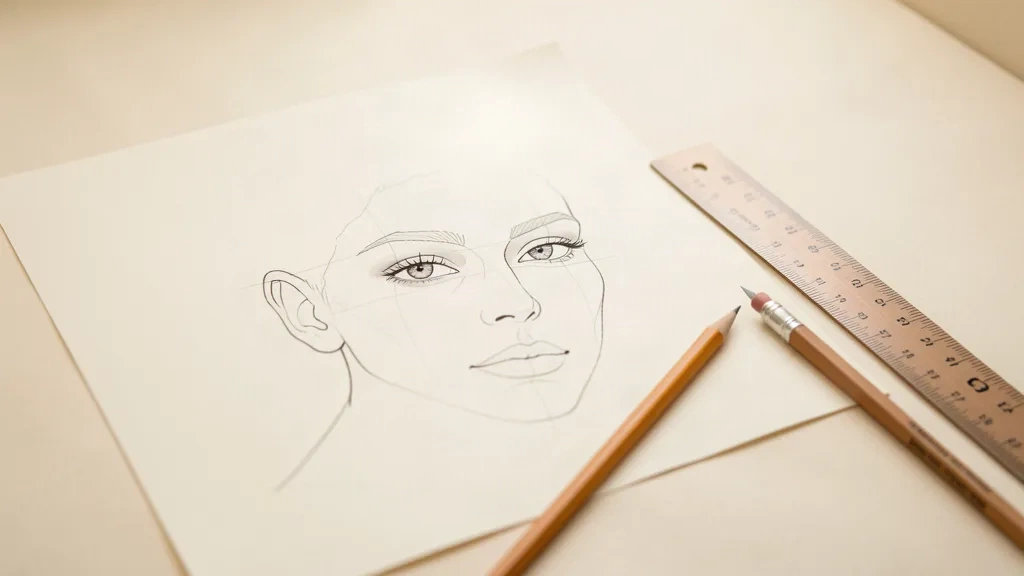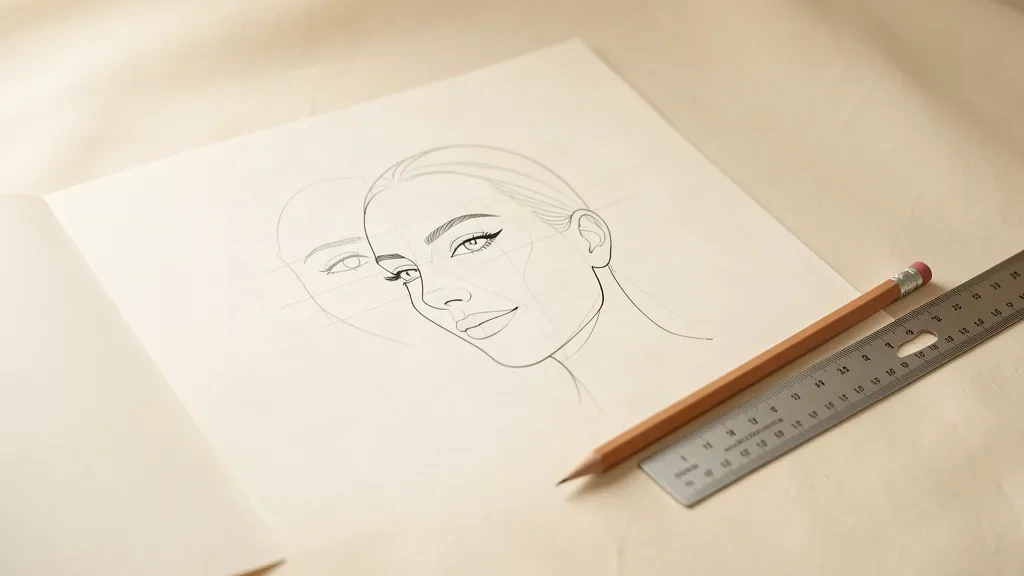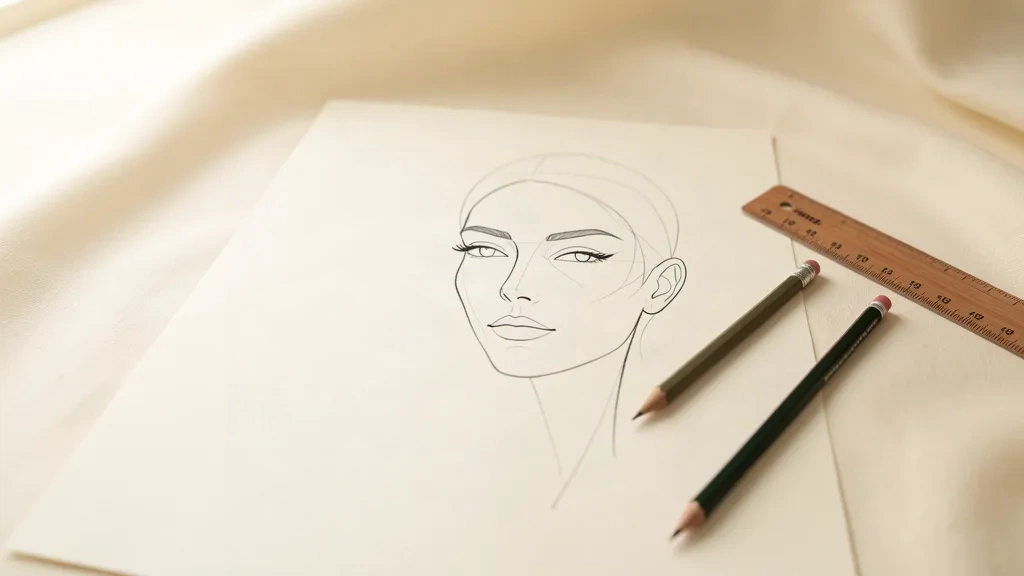
"Canthal tilt" has become a popular term online, especially in looksmaxxing communities, but it's simply a way to describe the angle of your eyes. This guide explains what canthal tilt is, the difference between positive, neutral and negative tilt, how to measure it, and what you can and can't change.
What is canthal tilt?
The canthus is the corner of the eye. You have an inner canthus (near the nose) and an outer canthus (toward the temple). Canthal tilt is the angle of an imaginary line from the inner corner to the outer corner, compared with a horizontal line.
- Positive canthal tilt: the outer corner sits higher than the inner corner. Eyes appear slightly upturned.
- Neutral canthal tilt: inner and outer corners sit at about the same height.
- Negative canthal tilt: the outer corner sits lower than the inner corner. Eyes appear slightly downturned.
A small positive tilt is very common. Neutral and negative tilts are also normal variations.
How to measure your canthal tilt
- Take a straight-on photo at eye level with your head level (not tilted) and a relaxed expression.
- Mark the inner corner and outer corner of one eye.
- Draw a line between them and compare it with a horizontal line.
- Estimate the angle. Positive tilts are often described as a few degrees upward.
Small head tilts, camera angle and lens distortion change the result, so compare several photos. The attractiveness test measures eye angles automatically from a photo.
What affects canthal tilt?
- Bone structure: the shape of the eye socket and cheekbones.
- Soft tissue: eyelid shape, fat and skin support around the eyes.
- Ethnicity and genetics: average tilt varies across populations.
- Aging: skin and tissue support can loosen over time, which may make outer corners appear lower.
- Expression: smiling usually lifts the outer corners.
Is a positive canthal tilt more attractive?
Online communities often claim it is, and some studies on eye shape and perceived youthfulness suggest upturned corners can read as more youthful or alert. But attractiveness depends on many features working together. Plenty of widely admired faces have neutral or negative tilts. A downturned eye shape is often described as gentle, warm or "soulful."
Can you change your canthal tilt?
- Exercises and "mewing": there's no good evidence that facial exercises change canthal tilt.
- Makeup: yes, makeup can change how eyes look, which is what most people actually notice.
- Grooming: brow shape affects how the eye area reads.
- Medical procedures exist, but they carry real risks and should only be discussed with a qualified, board-certified specialist. They are not needed for a normal eye shape.
Makeup tips to lift the eyes
- Winged liner: extend the line upward from the outer corner, following your lower lash line's angle upward.
- Shadow: concentrate darker shadow on the outer upper lid, angled toward the tail of the brow.
- Lower lash line: keep liner and shadow light on the outer lower lash line, which can drag the eye down.
- Lashes: curl lashes and apply more mascara or lash volume at the outer corners.
- Brows: a lifted tail (rather than a drooping one) lifts the whole eye area. See eyebrow shapes.
FAQ
What is a good canthal tilt?
There is no "correct" tilt. A slight positive tilt is common, and neutral and negative tilts are normal variations.
How do I know if I have a positive or negative canthal tilt?
From a straight-on photo with your head level, compare your inner and outer eye corners. Outer corner higher means positive; lower means negative.
Can mewing change canthal tilt?
There's no scientific evidence that mewing or facial exercises change canthal tilt.
Is negative canthal tilt bad?
No. It's a normal eye shape. Makeup and brow shaping can lift the look if you want, but it isn't a flaw.
Does canthal tilt change with age?
The outer corners can appear to drop slightly with age as tissue support loosens.