A professional color analysis can cost hundreds of dollars, but you can get surprisingly close at home with good light, a mirror and a few fabrics. This step-by-step guide shows you how to find your undertone, depth and clarity, narrow down your color season, and decide whether a professional session is worth it.
What you need
- A window with indirect daylight (midday, not direct sun).
- A mirror, or a friend with a phone camera.
- A white towel or T-shirt to cover your clothes.
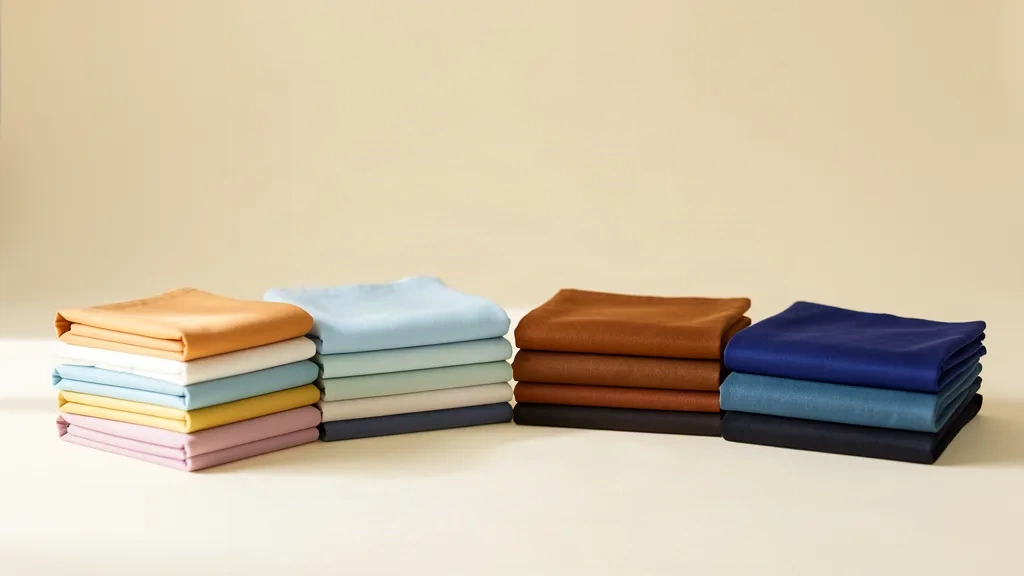
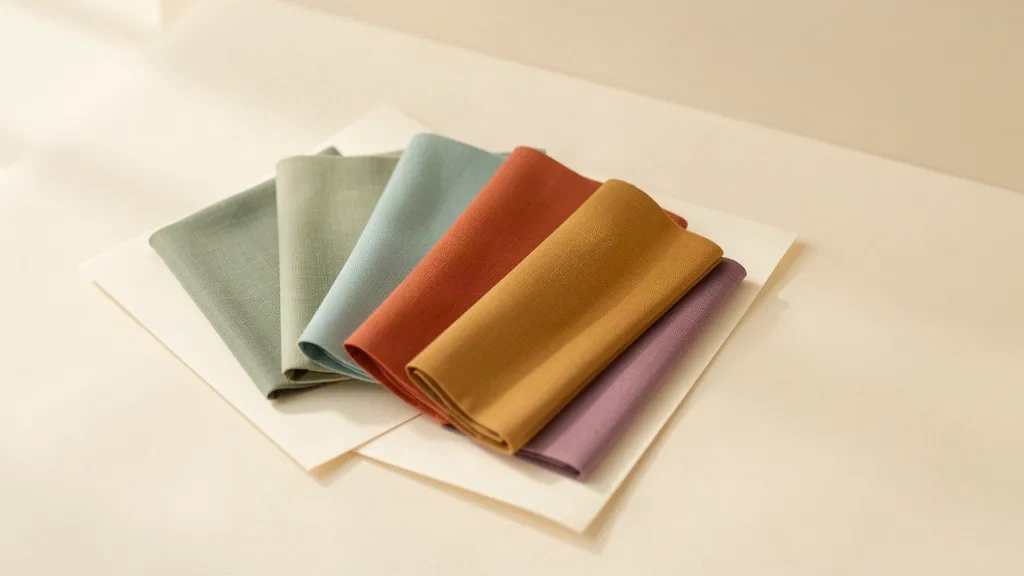
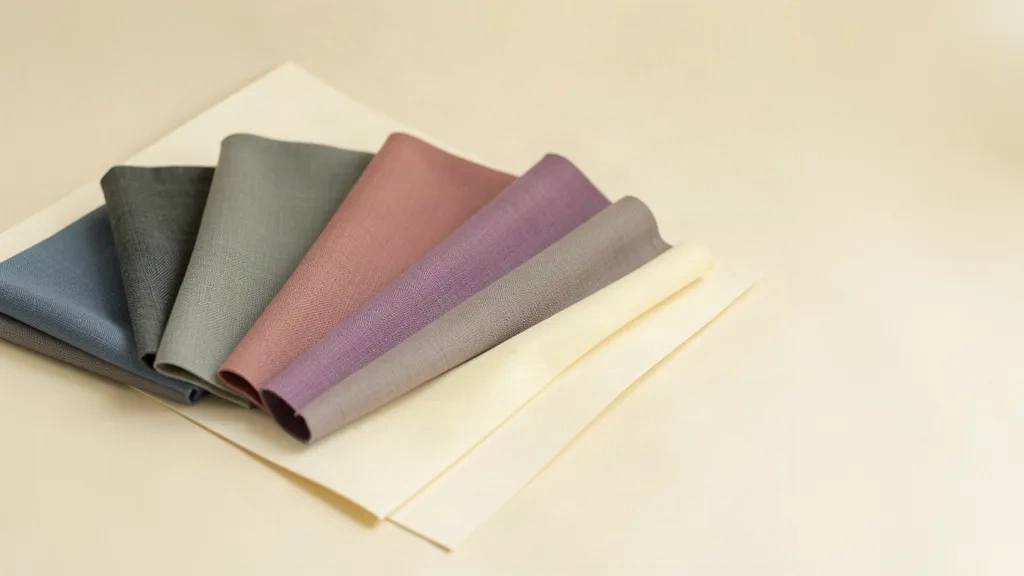
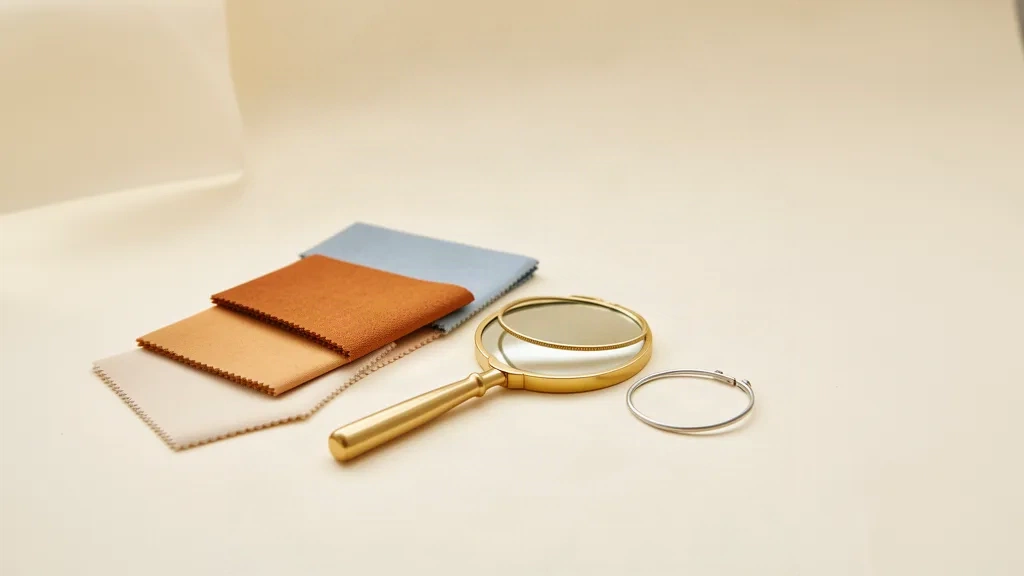
- Fabrics or clothes in test colors: pure white and cream; black, navy and dark brown; gold and silver jewelry; a bright color (hot pink or coral) and a muted one (dusty rose or sage).
- Bare skin: no makeup, and dyed hair pulled back or covered.
Step 1: Set up the light
Sit facing the window so light falls evenly on your face. Turn off indoor lights, which shift colors. Avoid strong colors around you, such as a red wall behind you.
Step 2: Find your undertone (warm or cool)
Compare these pairs under your chin, one at a time:
- Gold vs. silver jewelry.
- Cream vs. pure white fabric.
The right one makes your skin look clearer and evens out redness or shadows. The wrong one makes skin look grey, yellow or blotchy. More tests in how to find your undertone.
Step 3: Find your depth (light or deep)
Compare a pastel (light pink or light blue) with a dark color (navy, burgundy or forest green).
- If pastels look fresh and dark colors look heavy, you are light (Light Spring or Light Summer families).
- If dark colors look rich and pastels wash you out, you are deep (Deep Autumn or Deep Winter families).
Step 4: Find your clarity (bright or soft)
Compare a bright, saturated color (hot pink, kelly green, cobalt) with a muted, dusty one (dusty rose, sage, slate).
- If bright colors make your eyes sparkle, you are bright (Bright Spring or Bright Winter families).
- If bright colors overpower you and muted ones look harmonious, you are soft (Soft Summer or Soft Autumn families).
Step 5: Put it together
Your strongest result is your dominant quality; your second is the lean.
| Strongest | Lean warm | Lean cool |
|---|---|---|
| Light | Light Spring | Light Summer |
| Deep | Deep Autumn | Deep Winter |
| Bright | Bright Spring | Bright Winter |
| Soft | Soft Autumn | Soft Summer |
| Warm (no strong other) | True Spring (clear) or True Autumn (rich) | — |
| Cool (no strong other) | — | True Summer (soft) or True Winter (clear) |
Then read the guide for your likely season and its neighbors, starting with the color analysis seasons guide.
Step 6: Test with real clothes
Pick three tops from your likely palette and three from outside it. Photograph yourself in each in the same light and compare side by side. Photos often make the difference obvious.
Common DIY mistakes
- Testing under warm indoor light.
- Wearing makeup or leaving dyed hair near your face.
- Judging colors by how much you like them instead of how they make your skin look.
- Expecting every color to be a dramatic difference; many are subtle.
Faster options
- Color analysis quiz: ten questions, about two minutes. Take the quiz.
- AI color analysis: upload a daylight selfie for your season and a full palette with HEX codes. Try it free.
How much is a professional color analysis?
Prices vary widely by city and analyst. In-person draping sessions commonly range from about $150 to $500, with online and virtual sessions often cheaper. A professional uses a full set of calibrated drapes and controlled light, which makes it the most precise option, especially if you sit between two seasons.
FAQ
How do I do my own color analysis?
In indirect daylight with bare skin, compare gold vs. silver and cream vs. white for undertone, pastels vs. dark colors for depth, and bright vs. muted colors for clarity, then combine the results.
How much does a color analysis cost?
Professional sessions commonly cost around $150 to $500, while quizzes and AI tools are free or low cost.
Is DIY color analysis accurate?
It can get you to the right season family, especially with good daylight and honest comparisons. Sub-season details are harder to judge on yourself.
Why is color analysis so expensive?
Professional analysts spend one to two hours with each client and use large sets of calibrated fabric drapes and controlled lighting.
What is the easiest way to find my color season?
Start with a quiz or AI color analysis from a daylight selfie, then test the suggested colors with clothes you already own.