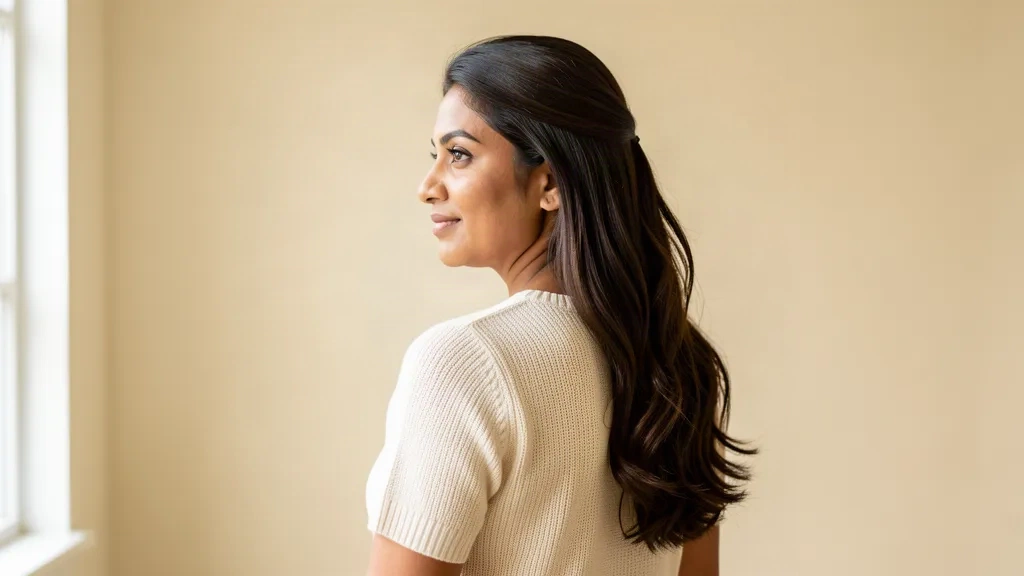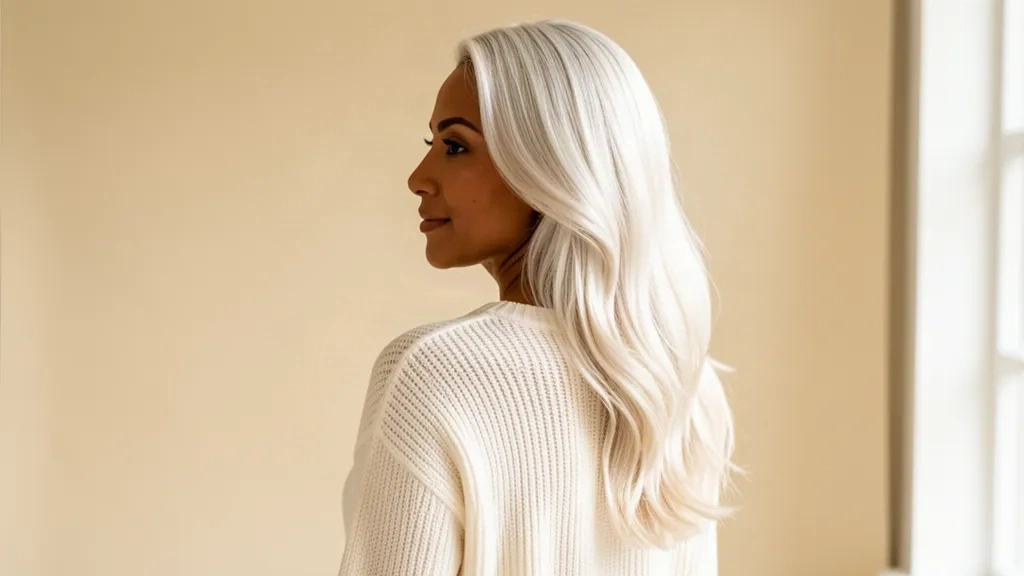
Old money blonde is a soft, natural-looking blonde made with very fine, blended highlights in warm-neutral tones and a gently shadowed root. Here's what sets it apart, who it suits, what to ask your colorist for and how to keep it looking fresh.
Old money blonde at a glance
- Type: Blonde
- Tone: Neutral to warm: beige, cream and soft gold
- Lightening needed: Yes, with fine highlights, unless you're naturally blonde.
- Maintenance: Medium
- Touch-ups: 8 to 12 weeks
What makes it different
The aim is hair that looks healthy and understated, as if it has always been that color. There's no strong contrast and no visible stripes.
Who it suits
Natural blondes and light browns, and most skin tones, since the tone is balanced between warm and cool.
Not sure whether you're warm or cool? See how to find your undertone and the best hair color for your skin tone, or get your full palette with the free color analysis.
What to ask your colorist
- Ask for fine, blended highlights or babylights in beige and soft gold.
- Ask for a soft root, not a harsh line.
- Ask for a gloss for shine.
- Bring photos taken in daylight, and say what you don't want as well as what you do.
How to maintain it
Shine is the point: use a gloss every 6 to 8 weeks, a mask weekly and heat protectant every time.
Shades and variations
- Butter blonde: creamy and slightly warmer.
- Champagne blonde: soft with a hint of pink-beige.
- Old money brunette: the same idea in glossy, low-contrast brown.
Try it before you dye
Color is hard to undo. Upload a selfie to the AI hair color changer and see old money blonde on your own hair before you book.
Related hair colors
FAQ
What is old money blonde?
Old money blonde is a soft, natural-looking blonde made with very fine, blended highlights in warm-neutral tones and a gently shadowed root.
Who suits old money blonde?
Natural blondes and light browns, and most skin tones, since the tone is balanced between warm and cool.
Do you need bleach for old money blonde?
Yes, with fine highlights, unless you're naturally blonde.
How often does it need touching up?
About every 8 to 12 weeks.