What colors look good on me depends on four traits of your natural coloring: temperature, depth, clarity and contrast. Once you know which one is strongest, picking clothes, makeup and hair color becomes much easier. This guide shows you how to check each trait at home, then lists colors for warm skin tones, colors for cool skin tones and what to do when you are in between.
What colors look good on me: the four traits
- Temperature: is your coloring warm (golden, peachy) or cool (pink, blue-based)?
- Depth: is it light, medium or deep?
- Clarity: are your features clear and vivid, or soft and blended?
- Contrast: is there a strong difference between your hair, skin and eyes, or are they close in value?
Most people have one dominant trait. That is the one your best colors share. The color analysis seasons guide shows how these traits make up the 12 seasons.
Quick tests you can do in daylight
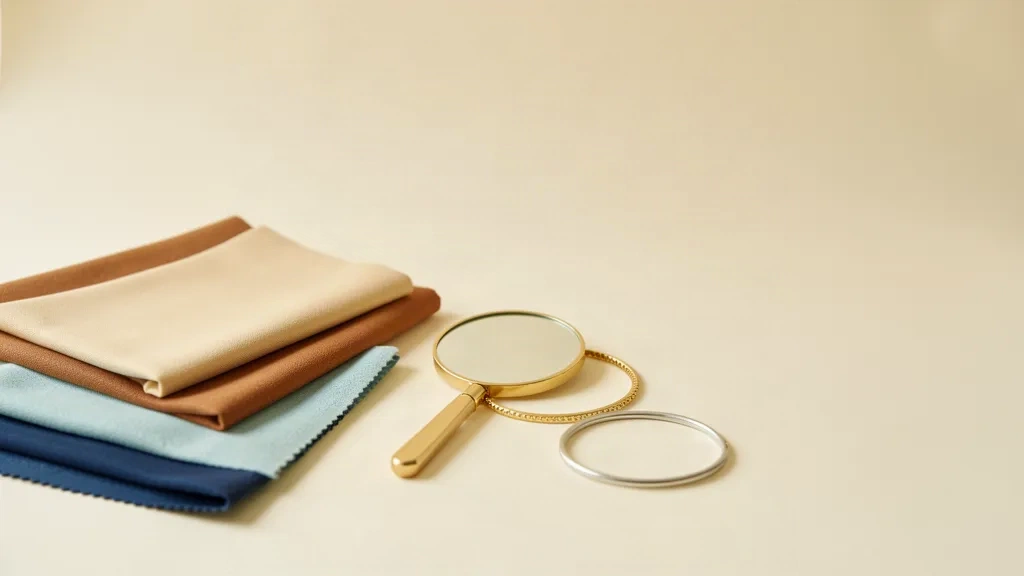
Sit by a window with no makeup. Hold each pair of fabrics under your chin, one at a time.
- Temperature: gold jewelry or cream fabric against silver or pure white. Whichever makes your skin look clearer points to warm or cool.
- Depth: black against a medium brown or navy. If black looks harsh, your depth is lighter.
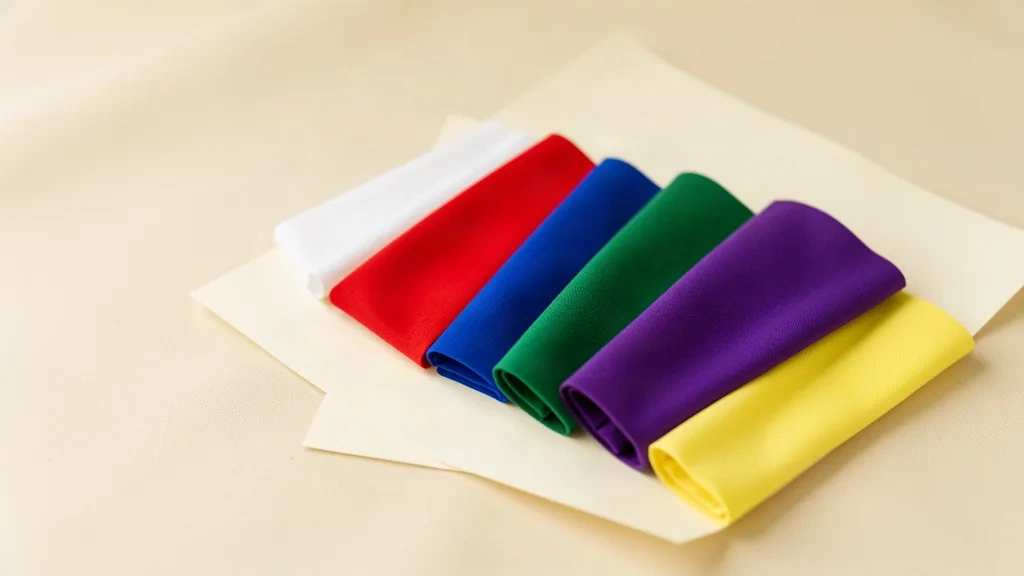
- Clarity: a bright coral against a dusty rose. If the bright one makes your face look tired, you are softer.
- Contrast: look at your photo in black and white. Strong light and dark differences mean high contrast.
For more tests, see how to do color analysis at home.
Colors for warm skin tones
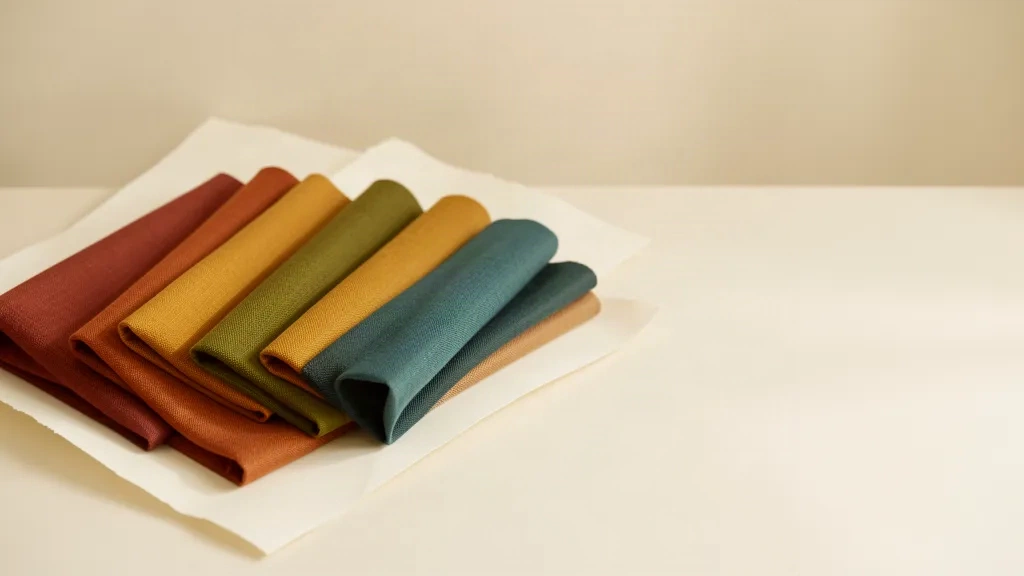
Warm undertones glow in golden and earthy shades.
- Neutrals: camel, cream, olive, chocolate brown and warm beige.
- Colors: coral, peach, terracotta, mustard, warm green, teal and tomato red.
- Be careful with: icy pastels, blue-based pinks and stark white, which can make warm skin look yellow or tired.
Colors for cool skin tones
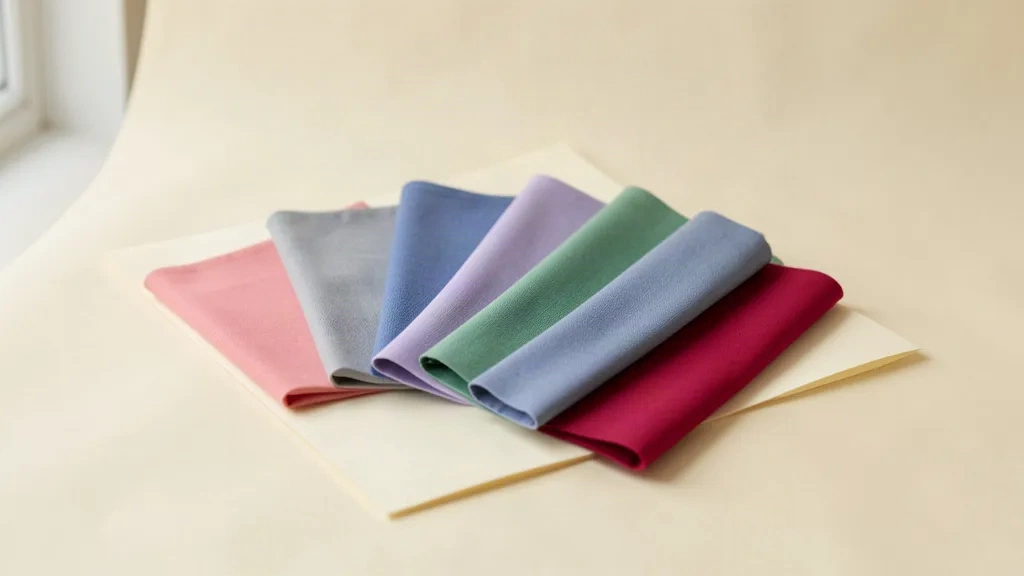
Cool undertones glow in blue-based shades.
- Neutrals: navy, charcoal, soft white, grey and cool taupe.
- Colors: rose, raspberry, periwinkle, emerald, plum and blue-red.
- Be careful with: orange, mustard and golden yellow, which can bring out redness or sallowness.
If you are neutral or in between
Neutral undertones can wear colors from both groups. Your strongest trait may be depth or clarity instead: deep coloring suits rich, dark colors, light coloring suits clear pastels and soft coloring suits muted shades. See how to find your undertone if you cannot tell.
Common mistakes when choosing colors
- Choosing by season of the year. Winter colors are not only for winter, and your best colors work in every month.
- Testing under yellow light. Indoor bulbs make everyone look warmer, so check by a window.
- Trusting one test. Use two or three tests and see if the results agree.
- Judging with dyed hair or tanned skin. Compare against your natural coloring.
Colors you love that do not suit you
You can still wear them. Put them away from your face: trousers, shoes, bags or a jacket. Near the face, add a scarf, a top or jewelry in a color from your palette. Makeup can bridge the gap too. A lipstick in your best color makes a less flattering top look better.
Match colors to the occasion
Once you know your palette, build outfits from it. Pick a base neutral from your list, one main color and one accent. A work look might be a navy blazer, a soft white shirt and a rose scarf for cool coloring, or camel trousers, a cream knit and a terracotta scarf for warm coloring. For evenings, choose the richest version of your colors, and for summer, the lightest. Keep the colors near your face in the palette, and let the rest of the outfit be whatever you like.
Go from guesses to a full palette
The 12-season system turns these traits into a palette with named colors. The color analysis quiz takes a few minutes. For a palette with HEX codes from your own photo, use the AI color analysis.
Get your palette
Upload a daylight selfie to the AI color analysis to find your color season and see your best colors, neutrals and colors to avoid in one place.
Related reading: color analysis seasons, how to find your undertone and skin tone chart.
FAQ
How do I know what colors look good on me?
Check temperature, depth, clarity and contrast with daylight tests, or use a color analysis quiz or photo analysis.
What colors look good on warm skin tones?
Camel, cream, olive, coral, peach, terracotta, mustard, warm green and teal.
What colors look good on cool skin tones?
Navy, charcoal, rose, raspberry, periwinkle, emerald and plum.
Can I wear colors that do not suit me?
Yes. Wear them away from your face or add a palette color near it.